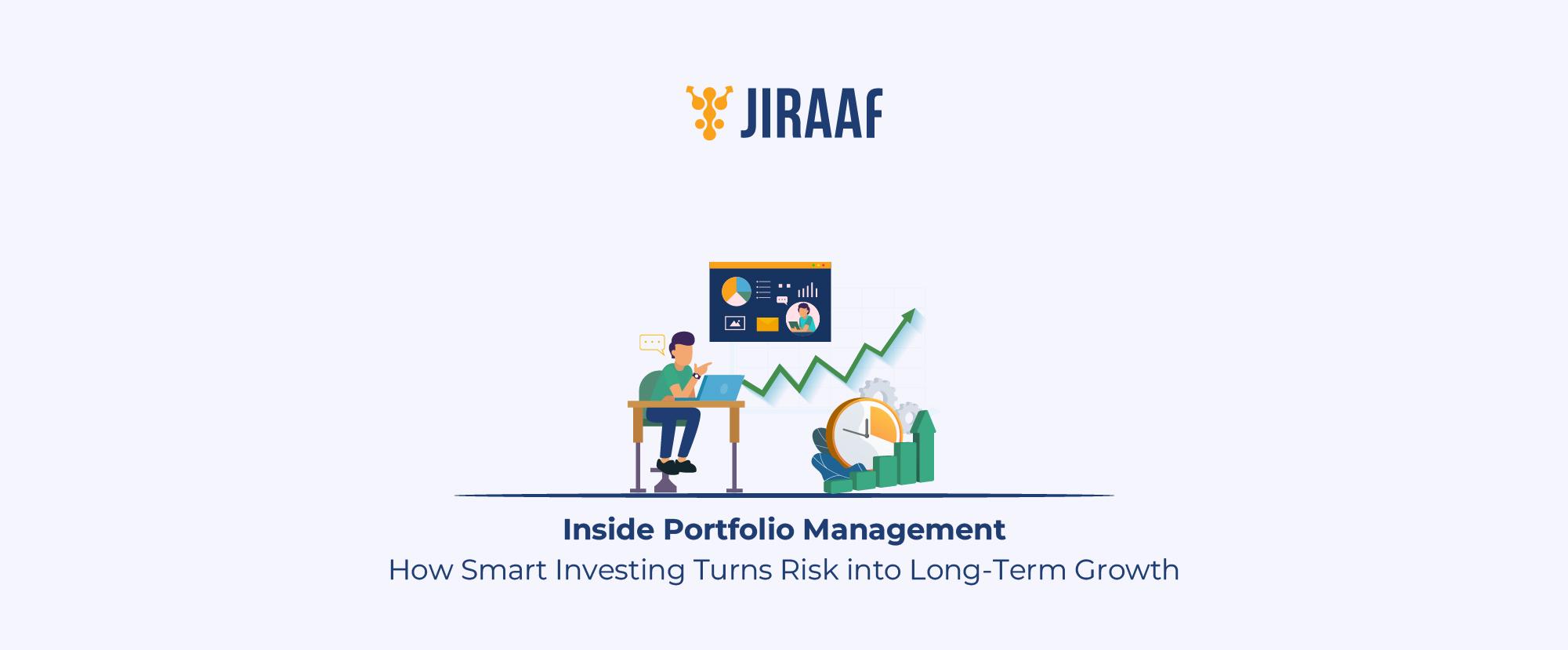
Portfolio management is the process of building, monitoring, and adjusting investments to balance risk and returns over time. This guide explains the meaning, types, strategies, and common mistakes in portfolio management to help beginners build a disciplined and goal-aligned investment portfolio.
Think of your portfolio as a growing tree. A sapling needs your attention from time to time as it grows; some branches may need trimming, others need extra support, and a few may need to be cut back altogether to ensure healthy overall growth. If left unattended for a long time, even a healthy sapling can start growing unevenly or weakly.
Your investments work the same way. Markets change, goals evolve, and what once fit your portfolio may no longer belong there. This process of deciding when to rebalance, adding new positions, or exiting old ones is referred to as portfolio management.
Sounds interesting? Let us dive into the blog to learn more about portfolio management, its various types, and its significance.
What is Portfolio Management?
Portfolio management is the art, and science, of balancing risks and rewards by carefully creating a basket of mixed investments from different asset classes. This mix of different investment securities, including bonds, government securities, stocks, commodities, etc., is what makes up a well-diversified portfolio.
Managing your portfolio isn’t just restricted to creating it. The process also includes rebalancing it to ride market fluctuations. Rebalancing could mean adding new investments or selling older ones, depending on what the portfolio needs.
At a practical level, portfolio management can be approached in two ways. You can manage your portfolio on your own by deciding every detail, like how to allocate, rebalance, and review your investments over time. Alternatively, you can choose to hire a licensed portfolio manager or opt for a Portfolio Management Service (PMS), where investment decisions are handled professionally on your behalf.
Portfolio management is a continuous and flexible process, which has led to the creation of various types of portfolio management.
Types of Portfolio Management
Portfolio management can take many forms in practice. Still, we can broadly classify it into four major categories.
- Active management
It is a more aggressive kind of investing in which you buy and sell assets more frequently. Due to its frequent disruptive techniques, it can be expensive and share characteristics with swing trading.
- Passive management
This strategy aims to replicate the stock composition in the portfolio by imitating a specific index. For example, a Nifty 50 ETF will replicate the performance of the Nifty 50 index, allowing you to participate in overall market returns without trying to outperform it or make frequent investment decisions.
- Discretionary management
It allows the portfolio manager complete control to make buy and sell decisions on your behalf. This approach saves your time and effort, but it may involve higher management fees since decisions are fully outsourced.
- Non-discretionary management
It keeps the final decision in your hands. The manager provides guidance and recommendations, but execution depends on you. While costs can be lower when compared to the discretionary way of portfolio management. However, it demands more time and involvement from your end.
The type of management you choose not only impacts your overall investment strategy but also affects the overall cost of managing the portfolio. This makes cost a key factor in deciding which approach best suits your financial goals. With these differences in mind, let’s now understand why portfolio management holds such importance.
Importance of Portfolio Management in Investing
The importance of portfolio management lies in its ability to turn your financial vision into reality by balancing growth with security in an ever-changing market. Let’s break it down into key components.
- Discipline: A portfolio helps you to maintain consistency, follow a plan, and control your emotions when faced with transient market volatility or scams.
- Tax planning: Not all investments are about generating returns. Some instruments, such as 5-year tax-saving fixed deposits under Section 80C, also help you optimize your tax savings. (Regular fixed deposits are fully taxable; only specific 5-year “Tax-Saver” FDs qualify for Section 80C deductions). Good portfolio management ensures both wealth creation and tax efficiency.
- Risk-reward balance: The market fact is that “higher risk = higher return”, but portfolio management can help you strike the correct balance. You can match your objectives and financial independence with risk levels by gradually adjusting your investments.
To put it briefly, portfolio management gives you a road map and guarantees that you make more informed financial decisions. Now that we are aware of its significance, let us examine how exactly managing your portfolio minimizes risk while supporting long-term growth.
How Managing Risk Through Portfolio Management Supports Long-term Growth
Risk in investing cannot be eliminated, but it can be structured, measured, and directed. Portfolio management does exactly that by ensuring your investments are aligned with your risk appetite, time horizon, and promotes goal-based investing. Instead of reacting to short-term market movements, you follow a defined strategy that adjusts exposure gradually as conditions change.
Whether you manage your own portfolio or work with a professional, regular monitoring and disciplined rebalancing help prevent emotional decisions during market highs and lows. Over time, this consistency allows volatility to work in your favor, converting short-term uncertainty into steady, long-term growth aligned with your financial plan.
There are different strategies that you can deploy to achieve long-term growth. Let’s have a look.
Key Strategies for Effective Portfolio Management
Effective portfolio management strategies are shaped by your goals. And as each investor can have different goals and use different types of portfolios, there are different portfolio management approaches you can adopt to that best suit you.
- Aggressive: This approach mainly relies on high-growth assets and stocks. It is effective if you have a long-term horizon and a high-risk tolerance, where short-term volatility is tolerable in the quest for higher returns.
- Conservative: In this case, safety and capital preservation are given the primary priority. Debt instruments, such as bonds, treasury bills, debentures, etc., predominate this type of portfolio. This strategy is appropriate for you if you are looking for a risk-averse portfolio for parking your reserve fund or in case you are getting close to retirement.
- Moderate: This approach strikes a balance between safety and growth, as the name implies. It usually mixes stable financial instruments like FDs and bonds along with stocks for long-term growth, making it ideal for investors seeking consistent but manageable gains.
- Income-oriented: This type of portfolio ensures you maintain a smooth, flowing cash flow. Rather than concentrating only on capital growth, the goal here is to produce steady revenue. Dividend-paying stocks, corporate bonds, and Real Estate Investment Trusts (REITs) are frequently found in such portfolios.
- Taxation-focused: The goal of certain portfolios is to optimize both tax savings and earnings. By including tax-efficient assets like ELSS funds, tax-saving FDs, or certain debt instruments like 54 EC bonds, you can maximize wealth and reduce tax obligations.
- Value: Made popular by Warren Buffett, a value investing strategy entails finding cheap stocks that are undervalued and holding them in anticipation of future profits. It demands tenacity, research, and belief in the intrinsic value of businesses.
As we’ve seen, strategies bring structure and direction to portfolio management. However, because strategies are rooted in calculations and assumptions tailored to individual goals, you are often susceptible to make mistakes; whether from misjudging risk, overlooking diversification, or letting emotions take control. Let’s look at some of the most common topics.
Common Mistakes to Avoid in Portfolio Management
Let’s examine some common mistakes that frequently occur in portfolio management.
- Unclear goals
The first step to managing a portfolio effectively is to have clear financial goals. If your goals are ambiguous, dynamic, or disjointed, the entire foundation breaks down, leading to miscommunications and subpar work.
- Excessive concentration
A balanced portfolio must have a balance between asset groups. Excessive weightage on a certain asset class can distort your risk-return equation.
- Neglecting risk tolerance
You may often disregard your own risk tolerance in pursuit of larger returns. This discrepancy throws off the balance of the portfolio and exposes it to volatility that it might not be able to manage.
- Rebalancing Extremes
Adjusting a portfolio is necessary as markets evolve, but it is also a double-edged sword. Staying static for too long can erode your gains, while excessive adjustments may lead to unnecessary churn and losses.
- Overtrade
In relation to the previous point, it might be expensive to trade frequently in response to small market fluctuations. The key to managing a successful portfolio is investing methodically rather than responding to every little change.
Now that we are aware of the common pitfalls, let’s proceed with creating a simple and practical plan for managing an investment portfolio.
How to Start Managing Your Investment Portfolio
Managing a portfolio usually works best when you begin with a clear sense of direction rather than jumping straight into investments. A few foundational steps can help you build that clarity over time.
- Set clear goals: It helps to first reflect on why you are investing. Whether it’s for retirement, a home, education, or long-term wealth creation, linking each investment to a purpose and timeline adds structure to your decisions.
- Assess your risk profile: Understanding how much market volatility you’re comfortable with can make a big difference in your conviction to hold underlying investments. Factors like age, income stability, and financial responsibilities often shape this tolerance more than expected.
- Determine your asset allocation: Spreading investments across equity, debt, cash, and alternatives allows you to balance growth potential with stability, based on what feels sustainable for you.
- Choose investment vehicles: Selecting the right mix of funds, stocks, or bonds involves looking beyond returns and considering aspects like costs, liquidity, and the investment’s track record.
- Plan execution: You may find it useful to decide whether systematic investing or lump-sum allocations suit your cash flows and temperament better.
- Diversify wisely: Broad exposure across sectors, asset types, and geographies can reduce reliance on any single source of returns and smooth outcomes over time.
- Review and rebalance: Periodic check-ins help ensure your portfolio remains aligned with your goals, especially when markets move or priorities shift.
- Optimize taxes and costs: Paying attention to tax efficiency, expense ratios, and transaction costs can quietly improve long-term results without changing your risk level.
- Maintain discipline: Staying consistent often matters more than reacting quickly. Avoiding emotional decisions during market swings can help keep your strategy intact.
- Seek expert guidance when needed: If things start to feel complex or time becomes a constraint, professional advice can offer structure and perspective without taking control away from you.
At its core, portfolio management is about staying in control of your decisions, rather than letting market movements dictate your next move.
Final Thoughts
One of the biggest misconceptions about investing is equating effort with results. Portfolio management shifts your focus away from chasing outcomes and toward managing what you can control, like asset allocation choices, timing of decisions, and consistency of execution. When these elements are aligned, market volatility becomes something you navigate rather than fear. In that sense, portfolio management doesn’t eliminate uncertainty, but it gives your capital a structure that can absorb it and grow in the long run.