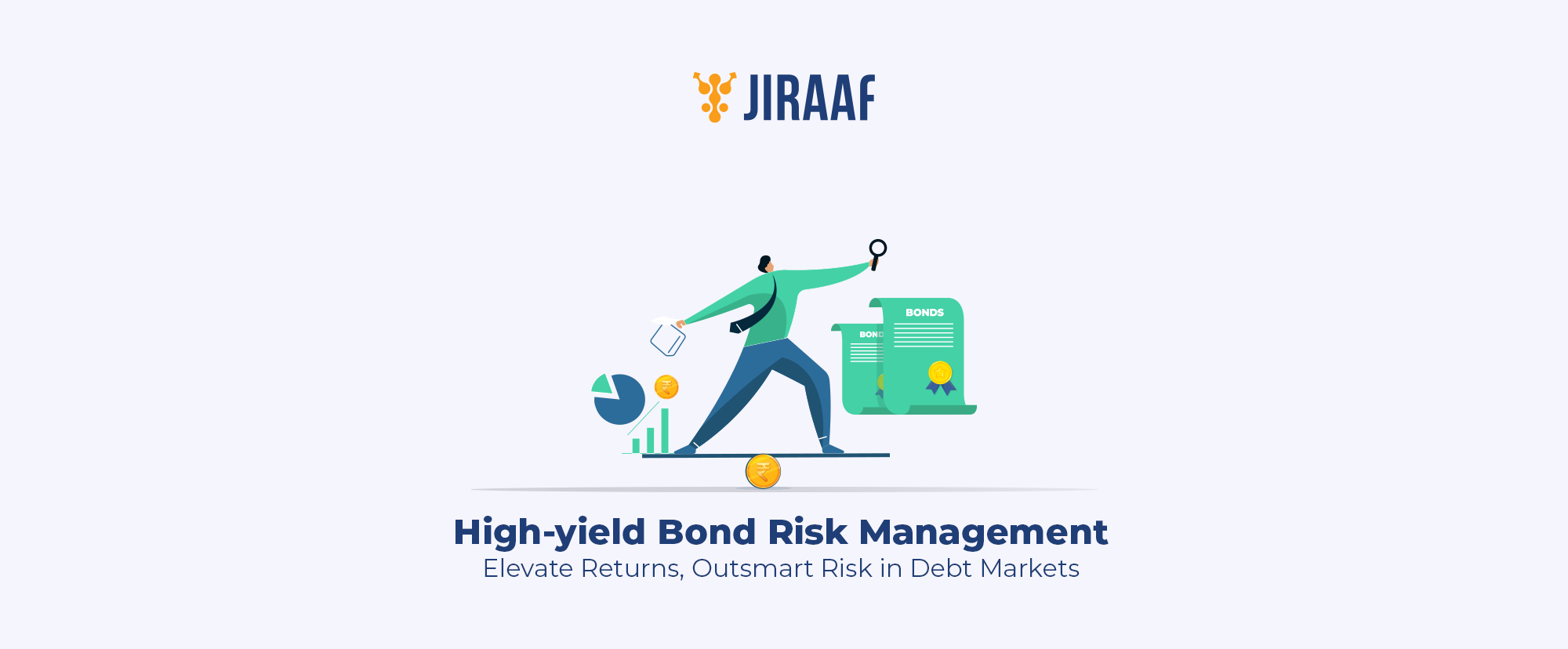
High-yield debt instruments offer investors the opportunity to earn above-average returns, but those potential rewards come with increased risk. So, they can be highly beneficial for your portfolio, provided you can manage the risk well. Let’s explore how you can manage the risks associated with high-yield debt instruments.
Understanding High-yield Debt Instruments
High-yield debt instruments are bonds or loans are usually issued by entities with lower credit ratings. Because these entities—often companies or government bodies—carry a higher risk of defaulting, they offer higher interest rates to compensate investors.
While these instruments can provide significant returns, you must be mindful of the inherent risks. But what are high-yield debt instruments, and why are they worth considering? Let’s look into the details.
What are High-yield (Junk) Bonds?
High-yield bonds, also referred to as ‘junk bonds’, are a type of debt instrument that often carry ratings below investment grade (BB or lower) from agencies like CARE and CRISIL.
So, what is the risk of high-yield bonds? Primarily, it revolves around the issuer’s creditworthiness, interest rate fluctuations, and inflation, all of which could significantly impact the bond’s value.
As these bonds are more volatile, high-yield bond risk management becomes crucial for investors who want to earn wealth through these investments.
Types of High-yield Debt Instruments
High-yield debt instruments can be classified into two types.
Listed and Rated Debt Instruments
Most high-yield debt instruments are listed and rated by credit rating agencies like CRISIL. These instruments include corporate bonds, infrastructure bonds, and Non-convertible Debentures (NCDs).
Since they are rated and listed on stock exchanges, there is transparency in terms of performance, credit risk, and liquidity. However, even listed bonds come with risks, particularly in terms of credit downgrades or fluctuations in interest rates. Understanding high-yield bond risk management is key to mitigating these potential pitfalls.
Unlisted Debt Instruments
Unlisted bonds, as the name suggests, are bonds that are not approved by credit rating agencies and are not listed on the market.
They are not publicly traded and tend to offer higher yields due to the added liquidity risk. These include private placements or structured debt deals.
Investors in unlisted instruments must be vigilant about the issuer’s creditworthiness, as the lack of its presence in the formal market and transparency increases the potential for default on the issuer’s part.
Common Risks Associated with High-yield Debt Instruments
Let’s look at some of the risks that are commonly associated with high-yield debt investments.
Credit Risk: Understanding Default Probability
Credit risk is one of the primary concerns with high-yield debt instruments, where the bond issuer’s financial health significantly influences their likelihood of default.
Thoroughly researching the issuer’s balance sheet and business prospects is critical for investors, as lower-rated companies, while offering attractive yields, are more susceptible to business downturns or financial distress, which could result in a default on their obligations.
Interest Rate Risk: Impact of Rising Interest Rates on Debt Value
Interest rate risk refers to the possibility that a rise in market interest rates could reduce the value of existing high-yield bonds.
During times of rising interest rates, the bonds’ market value can decrease. Long-term debt instruments, in particular, are more sensitive to changes in interest rates.
Liquidity Risk: Difficulty in Selling High-yield Bonds
Liquidity risk refers to how easily an investor can sell an asset. While listed debt instruments may offer more liquidity, unlisted or smaller company bonds often lack sufficient buyers, particularly during volatile periods, making them illiquid.
Investors may have difficulty dealing with such situations without significantly reducing the bond’s price.
Inflation Risk: Erosion of Returns in an Inflationary Environment
Inflation can decrease the value of the bond and make their coupon payments less attractive. Inflation causes interest rate to go up, reducing the value of existing bonds. Even with high yields, if inflation rises sharply, the purchasing power of the interest payments and principal can decrease.
How to Manage Risk in High-Yield Debt Instruments: Key Strategies
If you’re looking to manage risk in high-yield debt instruments while reaping the benefits, the following key strategies can help significantly:
1. Diversification
Spread your investments across multiple issuers and sectors. Corporate governance practices and financial stability differ widely, so diversifying into different industries, such as infrastructure or technology, can help mitigate the risk of default you might incur from any single issuer.
2. Staggered Maturities
Keeping a time gap between different maturity dates of your instruments can help you manage risk in high-yield debt instruments.
Holding a mix of short-term and long-term bonds can help manage interest rate risk. If interest rates rise, having some bonds that mature sooner allows you to reinvest in higher-yielding instruments.
3. Monitoring Credit Ratings
Continuously monitor the credit ratings of the instruments you hold to keep a check on the financial health of the company. Credit rating agencies assign credit ratings by regularly reviewing the financial health of issuers.
A downgrade in rating could signal rising risks, allowing you to take preventative measures and exit before the issuer defaults.
4. Assess Economic Conditions
Keep a close eye on economic indicators such as inflation rates, central bank policies, and broader market trends. These factors can affect both the performance of high-yield bonds and the overall creditworthiness of issuers.
5. Work with Professionals
If you’re unfamiliar with analyzing credit risk or market dynamics, seeking advice from financial professionals or fund managers specializing in high-yield debt can be a wise move.
These experts can help you evaluate specific opportunities and ensure your portfolio is structured to effectively manage risk in high-yield bonds.
Avoiding Common Pitfalls in High-yield Debt Investing
When investing in any high-yield debt instrument, it’s important to be aware of some of the common mistakes that can undermine your portfolio’s performance.
- Overconcentration in High-risk Bonds: Avoid allocating too much of your portfolio towards high-yield instruments, particularly through a single issuer or sector. The temptation to chase high returns can lead to heavy losses if an issuer defaults or if the market turns volatile, so diversification is a must to build wealth sustainably.
- Chasing High Returns Without Proper Risk Evaluation: High-yield bonds are attractive because of their potential returns, but you should always assess the risk-reward balance. Skipping the necessary due diligence or ignoring warning signs, such as frequent credit downgrades, can lead to significant losses.
- Neglecting Economic Indicators and Market Signals: Failing to proactively check key economic indicators like interest rates, inflation trends, or broader market conditions can result in missed opportunities to mitigate potential risks.
The Bottom Line
Investing in high-yield debt instruments can be a great instrument for wealth creation, if risk is managed the right way. As you navigate the complex landscape of personal finance, it’s crucial to recognize that successful investment is not solely about identifying opportunities but also about cultivating a robust risk management strategy.
Discover fixed income investments with Jiraaf, a SEBI registered online bonds platform that educates and brings access to a wide array of bonds. Sign up today to explore diversified fixed income investment opportunities to support your goal-based wealth creation journey. Start investing!