In the evolving investment landscape, corporate bonds are gaining momentum among Indian investors who are seeking steady returns and diversification in their financial portfolio. If you are one among the, this blog will help you explore the key aspects of corporate bonds, equipping you with the essential knowledge to make informed investment decisions.
What is a Corporate Bond?
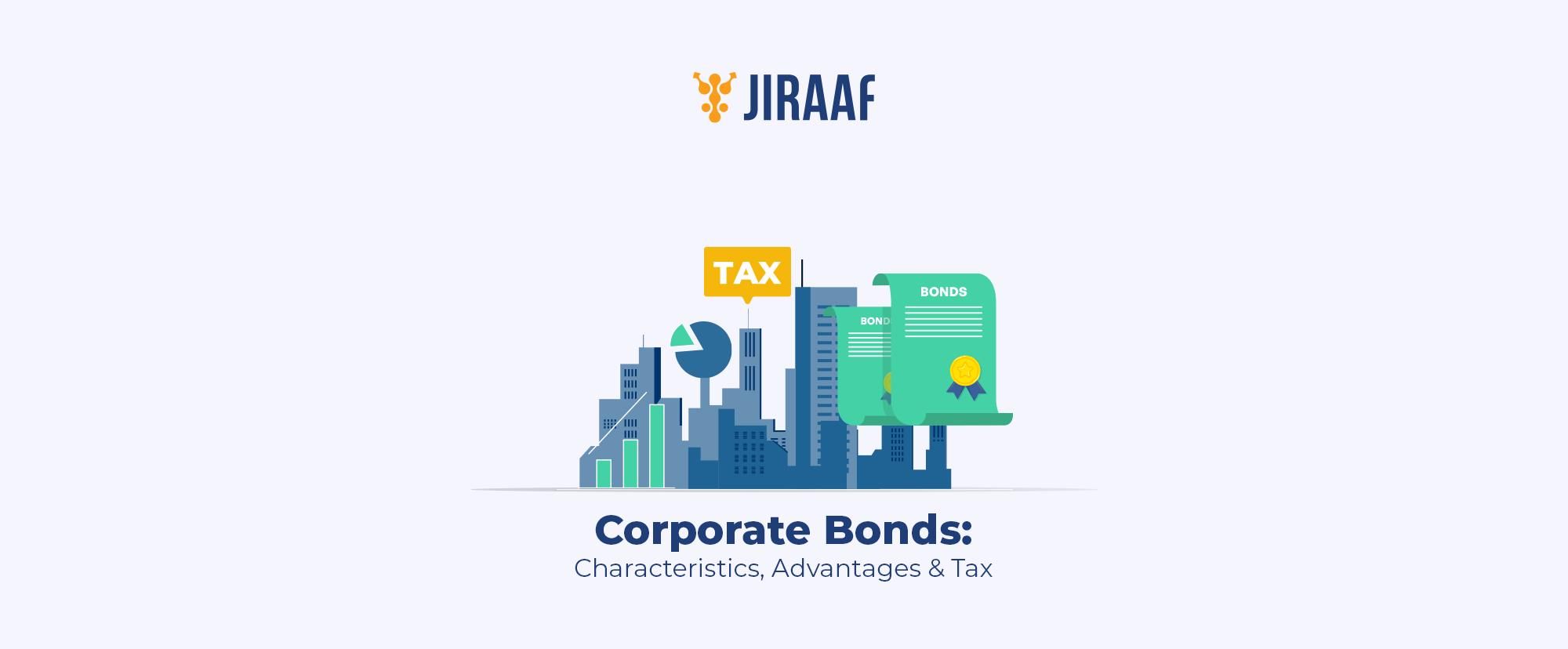
A corporate bond is a debt security issued by companies to raise capital. When you purchase a corporate bond, you essentially lend money to the issuer for a specified period of time. In return, the issuer typically pays you interest and repays the principal amount when the bond matures.
How Corporate Bonds Work?
When a company issues a bond, it is essentially borrowing money from investors like you, who in turn become creditors to the company. The bond specifies a fixed interest rate, known as the coupon rate, which the company pays to you at regular intervals, typically semi-annually or annually. Additionally, bonds have a set maturity date, at which point the company must repay the principal amount to the bondholders. The market value of corporate bonds can fluctuate based on various factors, including changes in interest rates, the company’s credit rating, and the overall economic conditions. Investors may buy and sell bonds on the secondary market, where prices can vary from the original issue price.
Types Of Corporate Bonds
- Fixed-Rate Bonds: These bonds offer a constant interest rate, providing regular, predictable interest payments throughout the bond’s life.
- Floating-Rate Bonds: Unlike fixed-rate bonds, the interest rate on these bonds changes periodically, influenced by the benchmark rate reset at regular intervals.
- Zero-Coupon Bonds: These bonds don’t make regular interest payments. Instead, they are sold at a lower price than their face value, and bondholder gets the full-face value when the bond matures.
- Convertible Bonds: These bonds allow investors to convert them into a specified number of shares of the issuing company. This gives the bondholder the option to turn bond into equity under certain conditions.
- Callable Bonds: These are bonds, wherein the issuer has the option to repay the bond before it reaches maturity at a predetermined price. This gives the issuing company flexibility to refinance or reduce the debt if conditions are favourable.
Key Characteristics Associated with Corporate Bonds:
- Maturity Period: Corporate bonds have different maturity periods, typically ranging from a few months to 30 years. Investors get the principal back when the bond matures.
- Tax Implications: Interest earned from corporate bonds is taxable as per the investor’s income tax bracket. Bonds held for over three years may qualify for long-term capital gains tax with indexation benefits.
- Liquidity: Corporate bonds can be bought or sold in the secondary market before maturity. However, liquidity may vary depending on the bond issue and market conditions.
- Callable and Convertible Features: Some corporate bonds are callable, meaning the issuer can redeem them before maturity. Some are convertible, allowing bondholders to convert them into company shares.
Advantages of Corporate Bonds:
- Higher Yields Compared to Other Debt Instruments: Corporate bonds generally provide more attractive returns than government bonds or fixed deposits. However, this higher return comes with increased risk, as it is linked to the creditworthiness of the issuing corporation, which may fluctuate. Higher the risk, higher the return.
- Interest rates and bond prices: When the market interest rates fall, existing bonds with higher coupon rates become more attractive. Investors are willing to pay a premium for these bonds because they offer better yields compared to newly issued bonds at lower rates.
How Corporate Bonds are Taxed in India?
- Interest Income: Interest earned from corporate bonds is fully taxable as “Income from Other Sources. It is taxed at the investor’s applicable income tax slab rate.
- Tax Deducted at Source (TDS): TDS is deducted on interest payments at a rate of 10% for resident individuals and Hindu Undivided Families (HUFs). For non-resident investors, TDS is generally deducted at 20% or as per the applicable tax treaty rate.
- Capital Gains: Short-term Capital Gains (STCG) is applicable if the bond is sold within three years of purchase. LTCG is taxed at the investor’s income tax slab rate. Long-term capital gains (LTCG) is applicable if the bond is held for more than three years and taxed at 20% with indexation benefits, or 10% without indexation, whichever is lower.
- Listed vs. Unlisted Corporate Bonds: For listed corporate bonds sold on a recognized stock exchange, LTCG is taxed at a flat rate of 10% without indexation benefits. Securities transaction tax (STT) is applicable on the sale. For unlisted corporate bonds the general LTCG rule (20% with indexation or 10% without) applies.
- Zero Coupon Bonds: The difference between the purchase price and the redemption price is considered as interest income. This is taxable in the year of transfer or redemption.
- Foreign Currency Convertible Bonds (FCCBs): Interest income is taxable for resident investors. For non-resident investors, there may be specific provisions based on tax treaties.
- Indexation Benefit: Indexation benefits are available for long-term capital gains on corporate bonds held for more than three years. It helps in reducing the tax liability by adjusting the purchase price for inflation.
- Tax-Saving Corporate Bonds: Some corporate bonds may offer tax benefits under specific sections of the Income Tax Act. These are typically long-term infrastructure bonds issued by government-approved companies.
How are Corporate Bonds Rated in India?
Corporate bonds are rated by credit rating agencies such as CRISIL, ICRA, CARE ratings, and India Ratings. These agencies assess the creditworthiness of the bond issuer and assign a rating that reflects the issuer’s ability to meet its debt obligations. The ratings range from investment-grade bonds, which indicate high credit quality and lower risk, to non-investment-grade or junk bonds, which signal lower credit quality and higher risk.
Risks Involved in Corporate Bonds
While corporate bonds can be relatively safe, they do carry certain risks:
- Credit Risk: This refers to the possibility that the bond issuer might fail to meet their interest or principal repayment obligations.
- Inflation Risk: Inflation can reduce the real value of the bond’s interest payments over time, diminishing purchasing power.
- Liquidity Risk: Corporate bonds may not always be easy to sell quickly in the secondary market without incurring losses.
How to Buy Corporate Bonds in India?
- Online Bond Platforms: New age digital platforms provide a user-friendly way to invest in corporate bonds, offering access to a curated selection of bonds with detailed information, ratings, and easy transaction processes.
- Mutual Funds: Mutual funds or Exchange Traded Funds (ETFs) that invest in a diversified portfolio of corporate bonds are another way to invest in bonds.
- New Issues: You can also participate in the initial offering when a company issues new bonds.
Exploring The Potential Of Corporate Bonds: Should You Be Investing?
Corporate bonds offer a compelling investment opportunity for those seeking stable income with a lower-risk profile compared to equity investors, and for those who are seeking to mitigate risks in an equity-heavy portfolio. Corporate bond’s potential to generate steady returns with tax advantages, makes them an attractive choice for many investors.
However, factors such as the issuer’s creditworthiness, interest rate sensitivity, and maturity date should be carefully considered before making an investment.
In summary, corporate bonds can be a valuable addition to a diversified investment portfolio, offering a balance of risk and reward for those seeking a more balanced investment strategy.