Public debt is the total amount of money a government borrows to meet its financing requirements. It can come from domestic or foreign lenders and includes borrowings through government securities, T-bills, and other debt instruments.
If you are learning about government securities or trying to understand the debt market, public debt is one of the concepts you need to get right first. It represents the money borrowed by governments and helps explain how they finance spending beyond their available revenues. This guide breaks down public debt, why governments borrow, its different types and effects, and how they manage repayment.
What Is Public Debt?
Public debt, also called sovereign debt, refers to the total amount a government borrows to meet its financing requirements. Governments typically raise this borrowing through instruments such as dated government securities (G-secs), treasury bills, external assistance, and other short-term borrowings, with an obligation to repay the principal and interest at a future date.
Public debt can cover the borrowings of both central and state governments. However, the Union government maintains a separate account of its own debt and liabilities from those of State governments.
The central government broadly classifies its liabilities into two categories: debt contracted against the Consolidated Fund of India and liabilities under the public account.
Public debt can also be classified based on where the government raises the funds:
- Internal debt: Borrowings raised from lenders within the country (like commercial banks, the RBI, financial institutions, and domestic individuals)
- External debt: Borrowings owed to lenders outside the country
Governments often express public debt as a percentage of GDP. This ratio provides a broad measure of the size of government debt relative to the economy and helps assess the government’s capacity to meet its future debt obligations.
The Role of RBI in Managing Public Debt
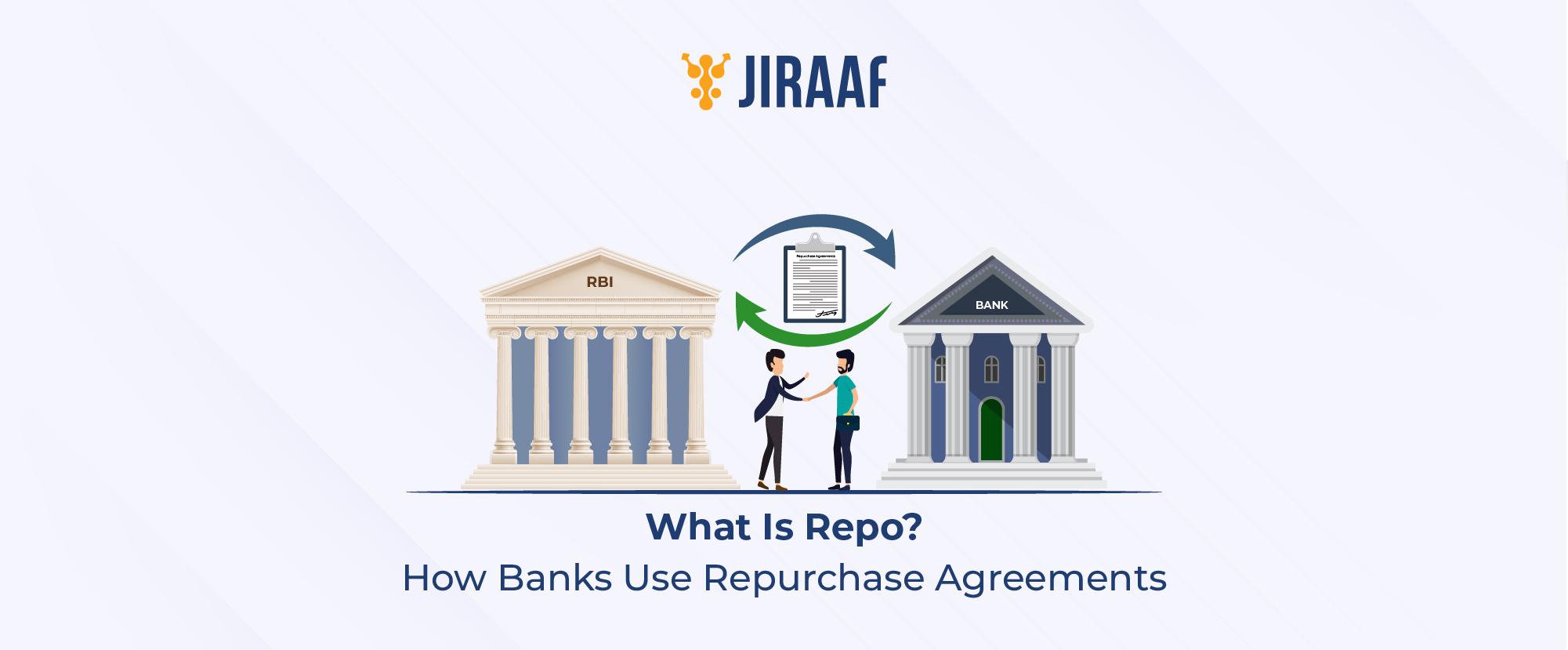
The Reserve Bank of India (RBI) acts as the banker and debt manager to the Union government. It manages the government’s banking transactions, maintains its cash balances, and facilitates receipts and payments on its behalf.
As the government’s debt manager, the RBI also conducts the issuance and servicing of government securities, helping the government raise funds and manage its borrowing program.
The RBI also handles remittances and foreign-exchange transactions connected with the government’s banking operations and manages the country’s foreign-exchange reserves.
Why do Governments Borrow?
Government revenue does not always cover its planned expenditure. When expenditure exceeds receipts, the government can borrow to finance the resulting fiscal deficit and fund its spending requirements.
Governments may borrow for several reasons:
- To finance fiscal deficits: Borrowing helps the government bridge the gap between its total expenditure and receipts, excluding borrowings.
- To fund capital expenditure: Governments can use borrowed funds for infrastructure and other capital investments that require substantial upfront spending and are expected to create assets or support economic activity over time. The Union government’s borrowing program, for instance, predominantly uses dated securities to finance the fiscal deficit.
- To support the economy during downturns: Governments may increase spending or provide fiscal support when economic activity weakens. Borrowing can provide the fiscal space to undertake such measures without requiring an immediate increase in taxes.
The purpose and source of borrowing determine how governments structure their debt. Understanding these classifications makes it easier to see where public debt comes from and how it differs across categories.
What are the Types of Public Debt?
Governments classify public debt based on where they borrow from, why they borrow, when they repay, and the terms attached to the borrowing. The key classifications include:
- Internal and external debt: Internal debt comes from lenders within the country, while external debt is owed to lenders outside the country.
- Productive and unproductive debt: Productive debt finances activities that can strengthen the economy’s productive capacity or generate future income. Unproductive debt does not directly create such returns.
- Redeemable and irredeemable debt: Redeemable debt carries a defined obligation to repay the principal at a future date (the standard practice for modern sovereign borrowing). Irredeemable debt has no specified principal repayment date (it is a historical concept rarely used presently).
- Voluntary and compulsory loans: Voluntary loans are raised when investors choose to lend to the government, typically by purchasing government securities. Compulsory loans require specified individuals or entities to lend under government-mandated arrangements and are generally associated with exceptional circumstances.
- Short-term and long-term debt: Governments classify debt by its maturity. Short-term debt generally falls due within one year, while long-term debt has a maturity extending beyond one year.
These classifications show that public debt is not defined by its size alone; its source, purpose, maturity, and repayment terms also determine its economic implications.
What Are the Effects of Public Debt?
Public debt does more than add to a government’s liabilities. The way a government raises, spends, and services that debt can affect government finances, private-sector activity, and the wider economy.
- Revenue effect: Borrowing provides the government with funds without requiring an immediate increase in taxes. However, the government must eventually service the debt through its future revenues, making interest payments an important part of its expenditure burden.
- Expenditure effect: When the government borrows to finance spending, it can influence the level and composition of economic activity. Borrowing can support infrastructure and development spending, but higher debt-servicing costs can also reduce the fiscal space available for other government priorities.
- Other effects: High or rapidly rising public debt can affect private investment, interest rates, inflation, and overall economic stability, particularly when it limits the government’s ability to respond to future economic shocks. The impact, however, depends on factors such as the size, composition, and sustainability of the debt.
Additionally, borrowing creates obligations that extend beyond the year in which the government raises funds. How the government services and repays these obligations determines the longer-term impact of its debt.
How Does the Government Repay Public Debt?
Governments repay public debt through planned debt-management measures rather than relying on a single source of funds. The method depends on the type of debt, its maturity, and the government’s financial position.
- Conversion of public debt: The government can replace an existing debt obligation with a new one, typically at a lower interest rate. This can reduce the interest burden on high-cost debt.
- Utilization of a budget surplus: When government receipts exceed expenditure, the surplus can provide funds for debt repayment. This approach depends on the government generating sufficient surplus after meeting its spending commitments.
- Sinking funds: The government can set aside funds periodically to meet future debt-redemption obligations. This spreads the repayment burden over time instead of requiring a large amount of funds at maturity.
- Terminable annuities: Under this traditional method, the government repays a debt through regular instalments that cover both principal and interest over a defined period, gradually extinguishing the liability.
The broader objective is to service debt on time while managing borrowing costs, refinancing risks, and the government’s overall fiscal position.
Conclusion
The real story behind public debt is not the amount borrowed, but the trade-off it creates for the government. Borrowing gives the government spending capacity today, but servicing that debt claims part of its future revenue. When that trade-off is managed well, debt can support development without severely limiting future choices. When debt obligations begin to crowd out essential spending or reduce fiscal flexibility, the same borrowing can become a constraint. The goal is not simply to keep debt low, but to ensure that borrowing today does not weaken the government’s ability to act tomorrow.