Summary
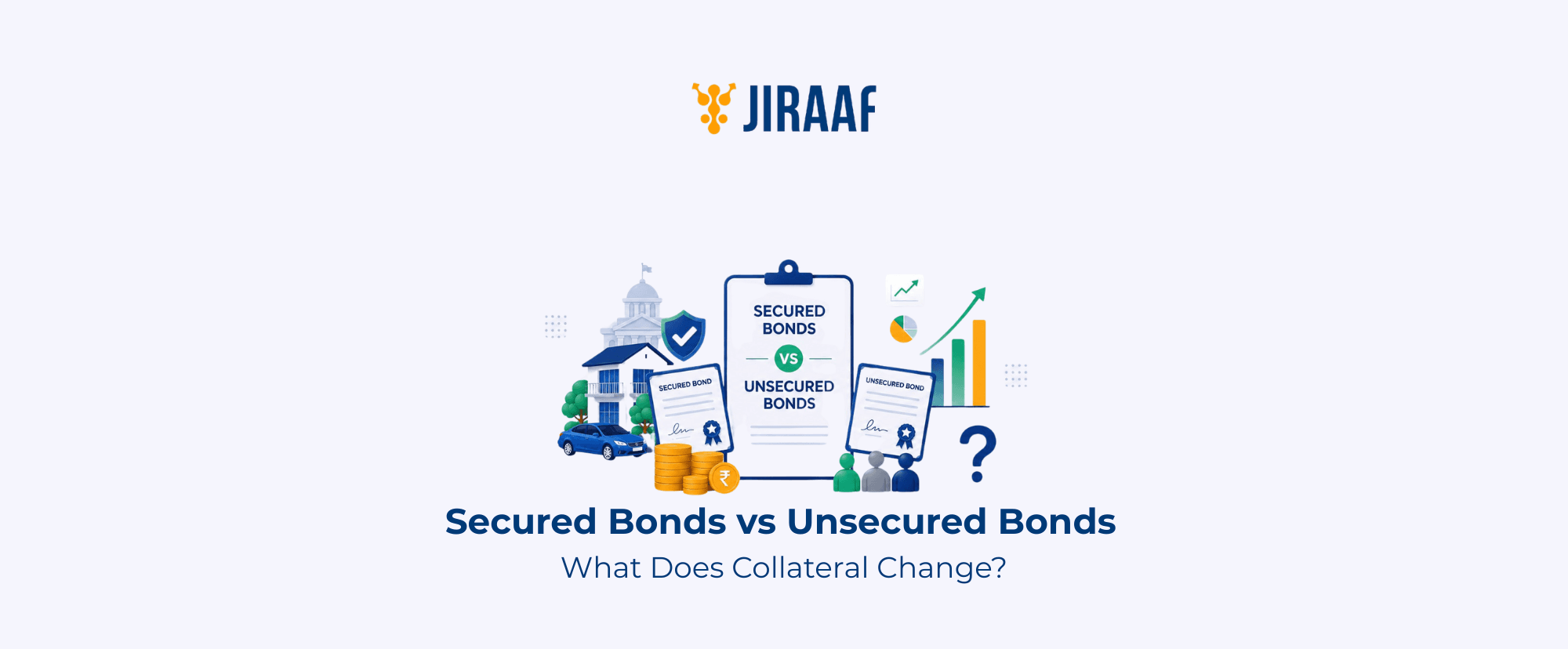
Secured and unsecured bonds differ in the level of protection available to investors if an issuer defaults, but collateral alone does not determine investment quality. This guide explains how secured and unsecured bonds work, how recovery rights differ, why yields vary, and what investors should evaluate beyond the security structure.
Quick Overview
- Secured bonds are backed by specific assets or cash flows
- Unsecured bonds rely primarily on the issuer’s creditworthiness
- Secured bondholders generally rank higher during recovery proceedings
- Unsecured bonds often offer higher yields to compensate for additional risk
- Strong credit quality can sometimes matter more than collateral
- You should evaluate both security structure and issuer strength before investing
When comparing secured bonds vs unsecured bonds, it is easy to assume that secured bonds are safer than unsecured bonds. After all, secured bonds are backed by assets, while unsecured bonds rely on the issuer’s promise to repay.
But bond investing is not that straightforward. For instance, a secured bond does not guarantee that you will recover your money if the issuer defaults.
The outcome depends on several factors, including the quality and value of the pledged assets, the recovery process, and the issuer’s overall financial strength. That is why the secured or unsecured label is only one aspect of evaluating a bond.
The distinction between secured and unsecured bonds goes beyond the presence of collateral. Understanding what that difference means can help you evaluate bond risk more effectively.
Secured or Unsecured: What Does That Mean?
The difference between secured and unsecured bonds lies in whether the debt is backed by collateral.
A secured bond is backed by specific assets pledged by the issuer. If the issuer defaults, you, as a bondholder, may have a claim on those assets. An unsecured bond is not backed by any specific asset. Instead, repayment depends on the issuer’s ability and willingness to meet its debt obligations.
To create a secured bond, the issuer legally charges certain assets in your favour. These rights are documented through security agreements and other legal documents.
A trustee is usually appointed to act on your behalf. The trustee holds the security interest, monitors compliance with the bond terms, and represents investors if enforcement becomes necessary.
Although a secured bond is backed by collateral, ownership of the pledged assets remains with the issuer. As a bondholder, you only have a legal claim over those assets if enforcement becomes necessary following a default.
In practice, the key difference lies in your recovery rights if the issuer defaults, rather than in how the bond functions during its tenure.
Why Do Some Bonds Have Collateral While Others Do Not?
The presence or absence of collateral often reflects the market’s assessment of the issuer’s ability to repay debt.
The Purpose of Collateral in Bond Markets
If an issuer defaults, the pledged assets may be sold or enforced to help repay secured bondholders. While recovery is not guaranteed, this additional layer of protection generally increases investor confidence.
It can also reduce borrowing costs. Since secured bonds generally offer better recovery prospects in the event of default, you may usually require less additional compensation for taking that risk. As a result, secured bonds often offer lower yields than comparable unsecured bonds.
In India, collateral may include receivables, property, equipment, or other business assets.
The value of collateral depends on the quality, liquidity, and market value of the pledged assets. Assets that are difficult to sell or have declined in value may provide only limited protection during recovery. High-quality assets improve confidence, while weak or illiquid assets offer limited actual protection.
Why Strong Issuers may Issue Unsecured Bonds
Not all companies need collateral to raise money. If a company has strong financials, steady cash flows, and a good repayment record, you may be comfortable without asset backing. In such cases, credit strength matters more than security.
That is why many large companies issue unsecured bonds. You lend because you trust the issuer’s ability to repay, not because of pledged assets.
Secured Bonds vs Unsecured Bonds: What Changes for Investors?
The biggest differences between secured and unsecured bonds become clear when you look at default risk, potential returns, and credit quality.
Recovery Rights During Default
If an issuer defaults in repaying you, the order in which you get paid matters.
As a secured bondholder, your claim is generally settled before unsecured creditors because it is backed by specifically pledged assets. This can improve your chances of recovering part of your investment.
Recovery outcomes for secured bonds are generally higher than for unsecured bonds. But the actual amount recovered depends on asset quality, insolvency proceedings, and the specific circumstances of the default.
If you hold an unsecured bond, you come after secured creditors. Your recovery depends on what remains after higher-priority claims are settled.
Recovery still depends on the value and saleability of the pledged assets.
Why Unsecured Bonds Typically Offer Higher Yields
Because unsecured bonds generally offer weaker recovery rights if an issuer defaults, you may typically expect higher yields as compensation for accepting that additional risk.
When you expect lower recovery in a worst-case scenario, you demand a higher yield upfront. This is what creates the yield premium.
Why Credit Ratings Still Matter?
While the security structure influences recovery if an issuer defaults, credit ratings indicate the likelihood of that default occurring in the first place.
A financially strong issuer may issue unsecured bonds with lower overall risk than secured bonds issued by a weaker borrower. That is why you should evaluate both, the issuer’s credit quality and the bond’s security structure, rather than relying on either factor alone.
Why Credit Quality Sometimes Matters More Than Collateral?
The Case of Highly Rated Unsecured Debt
Government securities are a good example. Most government bonds are unsecured, yet they are widely viewed as some of the safest debt investments because you have confidence in the government’s ability to meet its obligations. The same principle applies to strong corporate issuers.
If an issuer has a healthy balance sheet, stable cash flows, and a strong repayment track record, you may be comfortable investing even if the bond is unsecured.
In these cases, market confidence comes from the issuer’s repayment capacity rather than from pledged assets.
This is why unsecured does not automatically mean unsafe. A financially strong issuer can often provide greater comfort than collateral alone.
The Limits of Collateral Protection
While collateral can improve recovery prospects, it does not eliminate risk.
The value of pledged assets can change over time. Property prices may fall, receivables may become difficult to collect, and business assets may be worth less than expected during financial stress.
Even if valuable assets exist, selling them can take time. Insolvency proceedings and liquidation processes are often lengthy, which can delay recoveries.
There is also no guarantee that the sale of those assets will generate enough money to repay all investors in full.
As a result, recovery outcomes can remain uncertain even for secured bonds.
That is why collateral should be viewed as a protective measure rather than a guarantee of repayment. When evaluating a bond, the issuer’s financial strength is often just as important, if not more important, than the collateral backing it.
Where Do Secured and Unsecured Bonds Sit Within India’s Bond Market?
Both secured and unsecured bonds are widely used in India. The choice usually depends on the issuer’s strength, funding needs, and the type of investors being targeted.
Secured Bonds in India
Secured bonds are common in the corporate bond market, especially in the NCD segment. Companies back these bonds with assets such as receivables, property, or equipment, which may improve recovery prospects if the issuer defaults.
If you are a retail investor looking for steady income with some asset backing, secured NCDs are often the most common option.
However, you should still focus on the issuer’s financial health rather than relying only on collateral.
Unsecured Bonds in India
Unsecured bonds are usually issued by financially strong companies with proven repayment records.
You will often see them from large corporations that can raise funds based on credit strength alone. Institutional investors dominate this segment because they focus heavily on credit analysis.
These bonds may offer slightly higher yields, but the difference depends on the issuer’s rating, financial condition, and market environment.
How Should Investors Evaluate Secured And Unsecured Bonds?
Whether a bond is secured or unsecured is only one factor. You should also focus on the issuer’s strength, bond structure, and return.
Start With Credit Quality
You should first check the issuer’s credit rating and financial health. Ratings, cash flows, debt levels, and profitability provide a clear picture of repayment strength. Strong issuers reduce risk more than collateral alone.
Understand the Security Structure
If the bond is secured, you should know which assets are pledged and whether they are sufficient. Better collateral can improve recovery, but it does not remove risk. You should also understand how enforcement works and the trustee’s role.
Evaluate Yield Spread
You should compare yields with similar bonds. A higher yield usually reflects higher risk or lower expected recovery. The credit spread helps you understand how the market is pricing that risk.
Compare Yield Against Risk
A higher yield only matters if it justifies the risk. You should check whether the extra return in an unsecured bond compensates for the lower recovery, or whether the lower yield in a secured bond is worth the added safety.
Match the Bond to Your Goal
You should choose bonds based on your goals and risk appetite. If capital stability is your priority, you may prefer stronger issuers. If you have a higher risk tolerance, you may be comfortable pursuing higher yields. Every bond should fit your portfolio context.
Conclusion
The secured or unsecured label goes only so far. As India’s bond market matures, you may find it more useful to assess repayment capacity, recovery prospects, credit quality, and bond yields together, rather than focusing on collateral alone.
With retail participation continuing to grow, understanding how credit quality, recovery rights, and yields interact can help you evaluate bond opportunities more effectively. Platforms such as Jiraaf allow you to compare bond structures, yields, and credit ratings before investing.