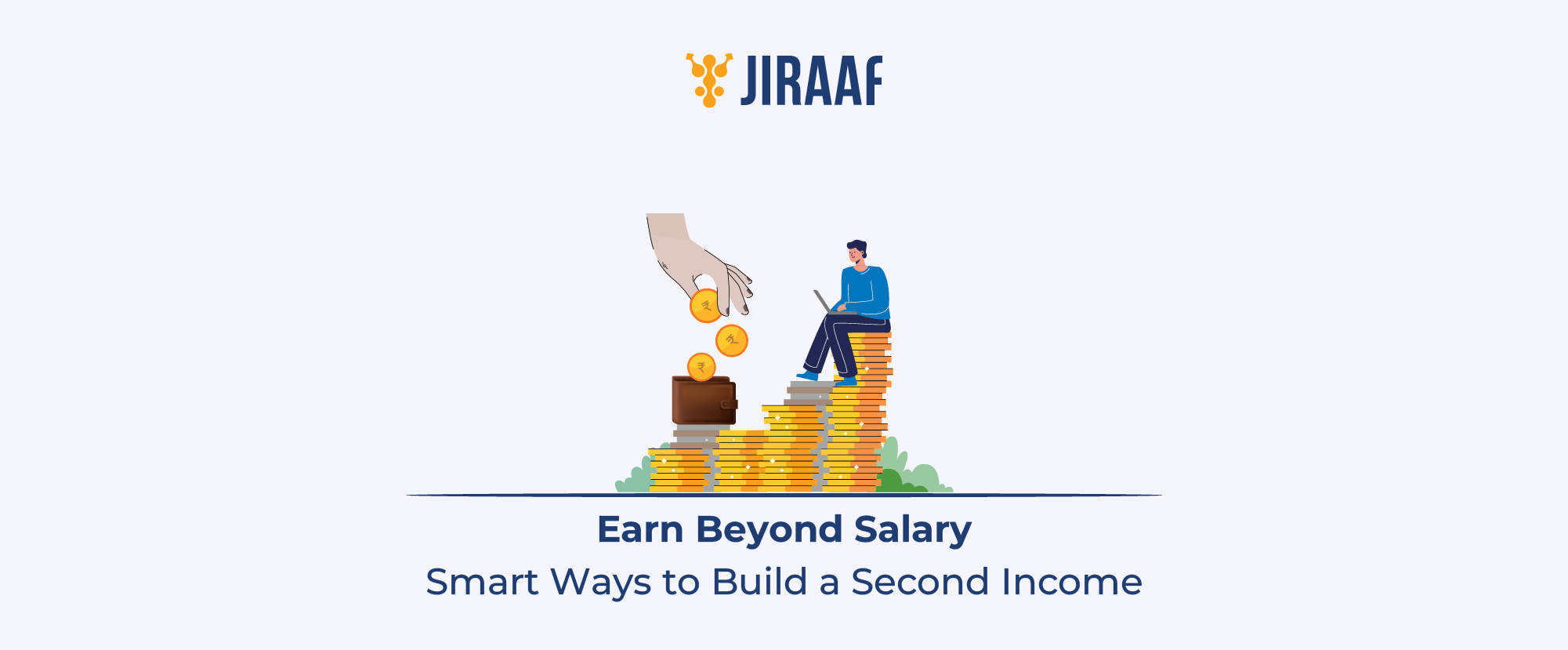
In today’s uncertain job market, relying solely on a fixed salary can limit both financial freedom and flexibility. This blog explores how working professionals can create stable second income streams that complement their 9-to-5 without burnout.
For most salaried professionals, a nine-to-five job begins as a symbol of stability—a predictable paycheck, a sense of structure, and financial independence. But over time, reality sets in. Between EMIs, rent, rising costs, and lifestyle goals, your income can sometimes barely cover your expenses, let alone help you build long-term wealth.
That’s why more and more working professionals are turning to side gigs as ways to earn beyond office hours without disrupting their primary jobs. A well-chosen side gig gives you breathing room, a sense of control, and the chance to pursue some interests without wondering if you’re getting paid enough.
In this blog, we’ll break down why a second income matters, what practical options exist for working professionals like you, and how to strike the right balance without burning out. Let’s begin.
Why do You Need a Second Source of Income?
The job market today is more unpredictable than ever. Restructuring, automation, or economic slowdowns can alter your stability overnight. A supplementary income provides a safety net, protecting you against job loss or unexpected expenses.
But that’s not all. A secondary source of income also:
- Mitigates risk: When your finances don’t depend entirely on one paycheck, you gain freedom to make choices, whether it’s changing jobs, taking a career break, or starting a venture of your own.
- Combats inflation: Rising inflation eats away the value of your money. This is why it is important to build a parallel income that ensures your purchasing power isn’t eroding over time.
- Offers flexibility: A second income brings breathing space in your budget, allowing you to fund hobbies, invest more, or plan experiences without guilt.
- Encourages growth: Diversifying your earnings encourages you to explore skills and opportunities outside your main job, often leading to personal development and broader perspectives.
You now know why you need it. The next step is understanding where you can start and how to make it fit into your already busy routine.
Best Side Income Sources for Working Professionals
It’s not necessary to work eighteen hours a day to balance a side gig with a full-time job. Making a low-effort, high-value boost to your income that enhances your abilities rather than depletes your energy is the aim. Here are a few useful options.
Taking Up Freelancing and Gigs
The gig economy is booming; professionals across industries are freelancing in writing, design, coding, consulting, and marketing. Platforms like Upwork and Fiverr have made it easy to connect with clients globally. Even dedicating 4–6 hours a week can yield a meaningful side income while enhancing your portfolio.
Starting a Small Home Business
Small-scale businesses, such as home bakeries, cloud kitchens, and handmade crafts, have emerged as lucrative ways to build an additional income. And if you have a product or service that you truly enjoy producing, that’s a plus point.
Turning a Hobby into an Income Stream
Sharing what you know can be one of the most rewarding ways to earn extra income. If you enjoy photography, writing, art, or design, there are plenty of ways to monetize them today. You could sell your photos online, take commissions, or publish short guides and e-books. What begins as something you love can slowly grow into a dependable stream of earnings.
Renting Out Items You Rarely Use
Sometimes, the easiest way to earn extra money is to make better use of what you already own. A spare room, an unused car, or even equipment like a camera can bring in regular income through rental platforms such as Airbnb or local sharing apps. It’s a low-effort, low-risk way to create a passive income stream that requires minimal active management while your assets keep working for you.
But in today’s world, your options aren’t limited to physical work or local opportunities. The internet has made earning potential truly borderless. Let’s explore the digital side of this opportunity.
Online Income Streams You Can Start Right Now
The digital economy has opened doors for anyone to build income without heavy investment. With the right approach, the internet can work for you even when you’re asleep.
1. Content Creation and Influencer Marketing
Influencer marketing has proved that micro and niche creators can also earn through brand collaborations, affiliate marketing, and community memberships. If you can create valuable, consistent content on YouTube, Instagram, or LinkedIn, you can eventually monetize your reach. Remember, the real secret to growing on social media is authenticity.
2. Stock Market Investing
The stock market has been India’s favorite place to build an additional income. You don’t need to be a day trader—even simple, long-term investing through well-researched stocks can start earning dividends and real wealth in the long-term. The key is to start small, stay patient, and focus on consistency rather than chasing quick wins.
3. Fixed-income Investments
Not everyone enjoys the market’s ups and downs. If you’d rather earn predictable returns, fixed-income options like corporate bonds or high-interest FDs can offer stability. Jiraaf makes these investments more accessible, letting you earn steady returns without the daily worry of price swings. It’s a practical way to make your savings work harder while keeping risk under control.
4. Blogging or Writing
If you enjoy writing or sharing ideas, you can turn that into an additional income stream. A focused blog or newsletter—whether about finance, technology, lifestyle, or travel can attract readers and, over time, advertisers or sponsors. The secret lies in offering genuine, helpful insights and staying consistent.
5. Online Surveys and Microtasks
Though not very high-paying, survey sites and microtask platforms can generate a small but steady extra income during your leisure time. They’re beginner-friendly and require little skill or setup.
Of course, earning is one thing and maintaining balance is another. Let’s look at how to manage both your full-time job and your side income effectively.
Balancing Your 9-to-5 with a Part-time Income Source
Making time for an idea is more difficult than coming up with one. Rather than depleting your emotional and mental resources, a side gig should increase your financial stability.
Here are a few strategies to stay balanced:
- Set clear time blocks: Dedicate specific hours for your side work, preferably when you feel most focused. Don’t let it spill into your main job or rest time.
- Prioritize energy, not just time: Choose tasks that align with your natural rhythm. If you’re productive in the morning, avoid scheduling creative work late at night.
- Avoid overcommitment: Start small. A few hours a week is enough initially. The goal is consistency, not intensity.
- Use technology smartly: Automate repetitive processes like scheduling tools, finance trackers, and AI assistants can save significant time.
- Keep your employer informed (if needed): As long as your side work doesn’t conflict with your company’s policies, transparency helps you stay compliant.
Balance isn’t just about effort management—it’s also about choosing what fits you. Let’s discuss how to pick the right second income idea based on your goals and resources.
How to Choose the Right Additional Income Ideas?
Not every income stream suits every person. That’s why it’s important to choose options that match your skills, schedule, and comfort level. You can even explore more than one idea at a time if it feels manageable.
Here’s how you can identify what fits you best.
- Time and energy: If your day job already takes up most of your time, you can go for something that doesn’t need constant attention, like renting out an unused property or investing in fixed-income options. This lets your money work while you focus on your career.
- Personal goals: Be clear about what you want from the side income. If you’re after quick earnings, freelancing or tutoring can help. But if you want to build something long-term, content creation, small online ventures or investing.
- Existing skills and resources: Start with what you already have. A marketing professional could take up freelance projects, while someone from tech might build a simple app or create online courses. Using your strengths reduces the learning curve and boosts confidence.
- Workplace ethics and rules: Always check if your company allows side work or moonlighting. Avoid anything that overlaps with your employer’s business or breaches your contract—it’s better to stay transparent than risk professional trouble later.
- Market demand: Before you begin, research your target area. See if there’s a real, consistent demand for what you plan to offer. A good idea only works when there are people willing to pay for it.
- Growth potential: Choose something that can expand over time. A side hustle should not just bring in extra money today but also have room to scale as your skills, audience, or resources grow.
Once you’ve found the right fit, the next step is to stick with it, and that’s where most people struggle. Let’s look at how to stay consistent.
Tips to Stay Consistent and Grow Your Side Income
Once you’ve started, staying consistent is what transforms a side hustle into a meaningful second income.
- Set measurable goals: Track monthly progress—revenue, followers, clients, or skill milestones
- Reinvest wisely: Use early earnings to upgrade tools or expand your reach
- Keep learning: Stay updated through online courses or communities related to your niche
- Network actively: Connections often open better-paying opportunities or collaborations
- Be patient: Every hustle takes time to show results. Be consistent in efforts, growth compounds when you show up everyday
Conclusion
Strengthening your finances beyond income from your primary job begins with practical, well-chosen actions that fit smoothly into your schedule. Whether you start with a small gig after work or use your skills to take on short projects, each step adds stability without overwhelming your routine. As you try different options, you’ll naturally understand what works for you and what supports your long-term goals. With consistency and patience, a parallel income can give you more security, freedom, and confidence in shaping your financial future.