Bond prices tell you what you pay when you buy them. Bond yield tells you what you truly earn at the end of maturity. But each moves in the opposite direction. This blog explains their relationship, so you can accurately evaluate the asset before investing.
Many investors look at a bond’s coupon rate and assume that is the return they will earn. While this may hold true if the bond is purchased at issuance and held until maturity, the reality changes once the bond begins trading in the secondary market.
At that point, the bond’s price starts to fluctuate based on market forces. As the bond price moves, the return (yield) earned by a new investor adjusts accordingly; even though the coupon payment remains unchanged.
Over time, this difference between a bond’s fixed income stream and its fluctuating market value gives rise to two distinct measures: the bond’s price and its yield. If you overlook this difference, you risk misunderstanding how bonds truly perform and what those market movements actually mean for your investment.
In the sections ahead, we discuss what a bond price signifies, its yield, the inverse relationship between bond prices and yields, and more.
What is Bond Price?
A bond’s price is the amount you must pay to purchase the underlying bond to acquire the bond’s future cash flows. It reflects prevailing interest rates, credit risk, inflation expectations, and broader macroeconomic conditions.
Once you buy a bond from the issuer, its coupon rate (the interest rate return you receive based on the face value) remains fixed throughout the tenure. This means, if you purchase a bond with a face value of ₹1,000 and a coupon rate of 8%, you will continue to receive ₹80 every year until maturity, regardless of what happens in the broader economy. The issuer is contractually obligated to pay this fixed amount, provided there is no default.
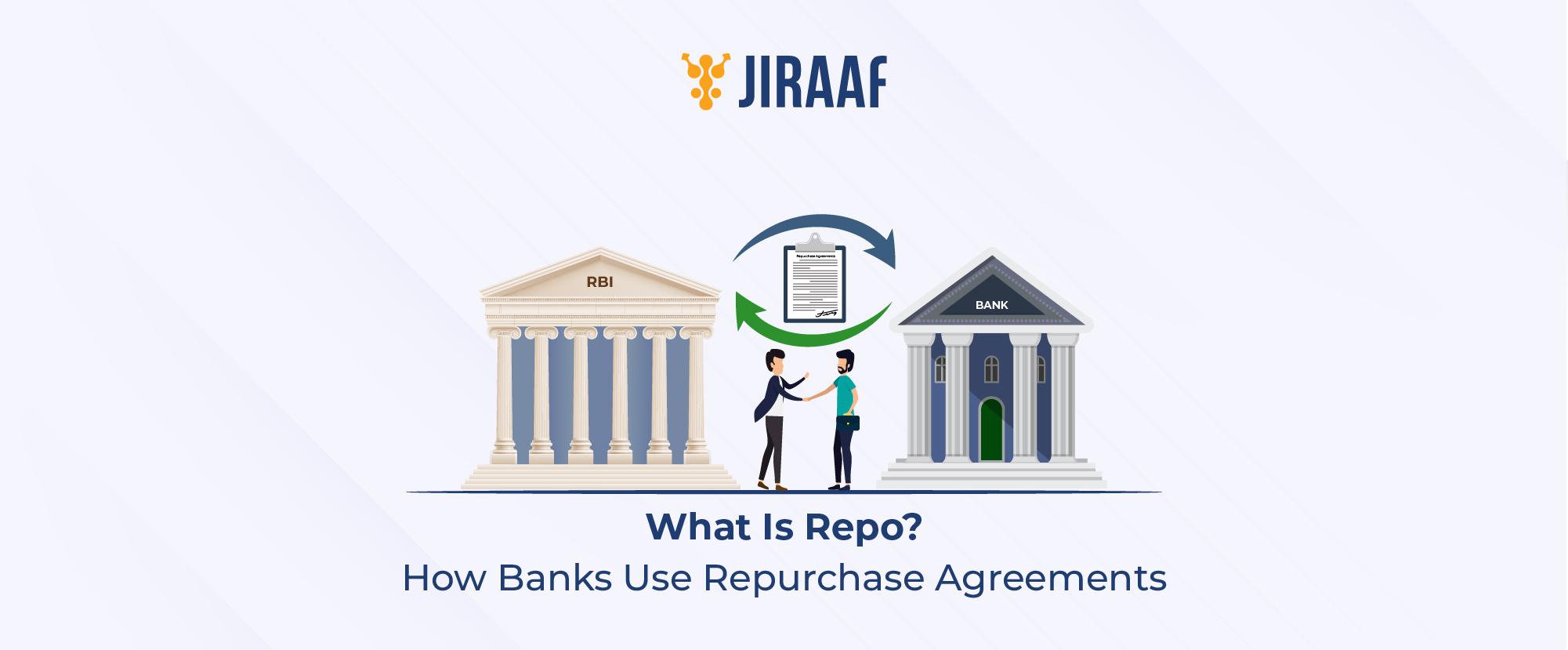
However, while the coupon remains constant, the bond’s market price does not. After issuance, bonds trade in the secondary market, where their prices fluctuate based on changing market conditions. One of the most important drivers of this fluctuation is the prevailing interest rate environment, influenced by institutions such as the Reserve Bank of India.
For instance, if the RBI raises interest rates tomorrow, newly issued bonds may now offer returns of 9% or 10%. In comparison, your 8% bond becomes less attractive to new investors.
To compensate for this lower coupon, the market adjusts the bond’s price downward. Your bond may now trade at ₹950 or ₹920 in the secondary market. The cash flows have not changed; it still pays ₹80 annually, but its price has adjusted to align with the new interest rate environment.
So, if another investor buys the same bond in the secondary market at ₹920, they still receive ₹80 annually. However, their return is now calculated as:
Current Yield = Annual Coupon ÷ Market Price
= 80 ÷ 920 = 8.69%
Although the coupon remains 8% (₹80 on ₹1,000 face value), the investor buying at ₹920 earns an effective return of 8.69% because they invested a lower amount. This effective return is called the bond’s yield.
Before exploring how price and yield move in opposite directions, let us first understand bond yield in detail.
What is Bond Yield?
Bond yield tells you the actual annualized return you earn based on the price you pay for a bond. While the coupon shows the fixed interest written on the bond, the yield shows what that income means for you as an investor.
While the issuer continues to pay ₹80 each year, the return you earn depends on the price you paid for the bond. Consider a situation where the bond is trading at a premium, say ₹1,080. In this case:
Current Yield = Annual Coupon ÷ Market Price
= 80 ÷ 1,080 = 7.41%
Even though the coupon remains ₹80 (or 8% on face value), the effective return drops to 7.41% because you paid more than the bond’s face value. This illustrates how yield adjusts based on the market price, and not just the coupon printed on the bond.
Yield, therefore, standardizes returns. It allows you to compare bonds fairly, whether they are trading at a discount, a premium, or issued at face value. It reflects the annualized return you earn based on the price you pay, not just the coupon printed on the bond. When investors discuss yield in a professional context, they are often referring to Yield to Maturity (YTM), which accounts for all interest payments plus any gain or loss incurred if the bond was bought at a discount or premium.
Key Differences Between Bond Price and Yield
| Parameter | Bond Price | Bond Yield |
| Meaning | The amount you pay to buy the bond | The actual annualized return you earn based on the price you pay for the bond |
| What It represents | The present value of future cash flows (coupons + principal) | The effective percentage return generated from those cash flows |
| What causes it to change | Changes due to interest rates, inflation expectations, credit risk, and market demand | Changes automatically in the opposite direction when the bond price moves |
| Investor focus | Important if you plan to buy or sell in the secondary market | Important to understand your real earning potential on the invested amount |
The Inverse Relationship Between Bond Price and Yield
Bond price and bond yield move in opposite directions. When the price falls, the yield rises. When the price rises, the yield falls. The reason is simple: the cash flow stays fixed, but the price you pay changes.
Let us look at all three situations, when the bond trades at par, discount, and at a premium, using the same example of a bond that pays ₹80 annually on a face value of ₹1,000.
When the bond trades at Par (At ₹1,000)
Formula:
Current Yield = Annual Coupon ÷ Market Price
Current Yield = 80 ÷ 1,000 = 8%
When the bond trades at its face value, the coupon rate and the yield are the same. You pay ₹1,000 and earn ₹80, which equals an 8% return.
In this case, no adjustments are needed because the bond price already aligns with market interest rates.
When the Bond Trades at a Discount (Below ₹1,000)
Suppose the bond trades at ₹920.
Formula:
Current Yield = 80 ÷ 920 = 8.69%
Here, the coupon remains at ₹80. But since you paid less than ₹1,000, your effective return increases. The lower the price, the higher the yield.
This is why bond prices fall when the interest rates rise; the falling price pushes the yield upward to match new market rates.
When the Bond Trades at a Premium (Above ₹1,000)
Now suppose the bond trades at ₹1,080.
Formula:
Current Yield = 80 ÷ 1,080 = 7.41%
You are still receiving ₹80 annually, but because you paid more for the bond, your return falls. The higher the price, the lower the yield.
This typically happens when market interest rates decline, and older bonds with higher coupons become more attractive.
Now that you understand how bond price and yield move in opposite directions, the next step is to examine what actually causes these movements in the first place.
Factors Affecting Bond Price and Yield
Here are some essential factors that affect bond prices, and in turn, the yield as well.
1. Interest rate changes
When market interest rates rise, newly issued bonds offer higher returns, making older bonds less attractive; their prices fall, and yields rise. When rates fall, existing bonds become more valuable, pushing prices up and yields down.
2. Issuer’s financial health (Credit risk)
If the issuer’s financial position weakens, investors demand a higher return (risk premium) for taking additional risk, which lowers the bond’s price and increases its yield. Strong financial health has the opposite effect.
3. Inflation expectations
If inflation is expected to rise, the real value of future coupon payments declines. Investors demand higher yields to compensate, causing bond prices to fall.
4. Liquidity and market demand
Bonds that are actively traded and in high demand tend to hold stronger prices and lower yields. Less liquid bonds often trade at a discount because investors expect compensation for the difficulty of selling them quickly.
By understanding these factors, you can better interpret why bond prices fluctuate and whether the resulting yield truly compensates you for the prevailing market risks.
Final Thoughts: Why the Price and Yield Relationship Matters for Investors
If you understand bond price and yield, you can begin to read the market more intelligently. You begin to interpret price changes as signals of shifts in interest rates, risk perception, and overall economic conditions to your own advantage.
In bond investing, understanding the relationship between a bond’s price and its yield helps you judge whether you are fairly compensated for the risk you’re taking, instead of choosing a bond simply because the interest rate printed on it looks attractive.